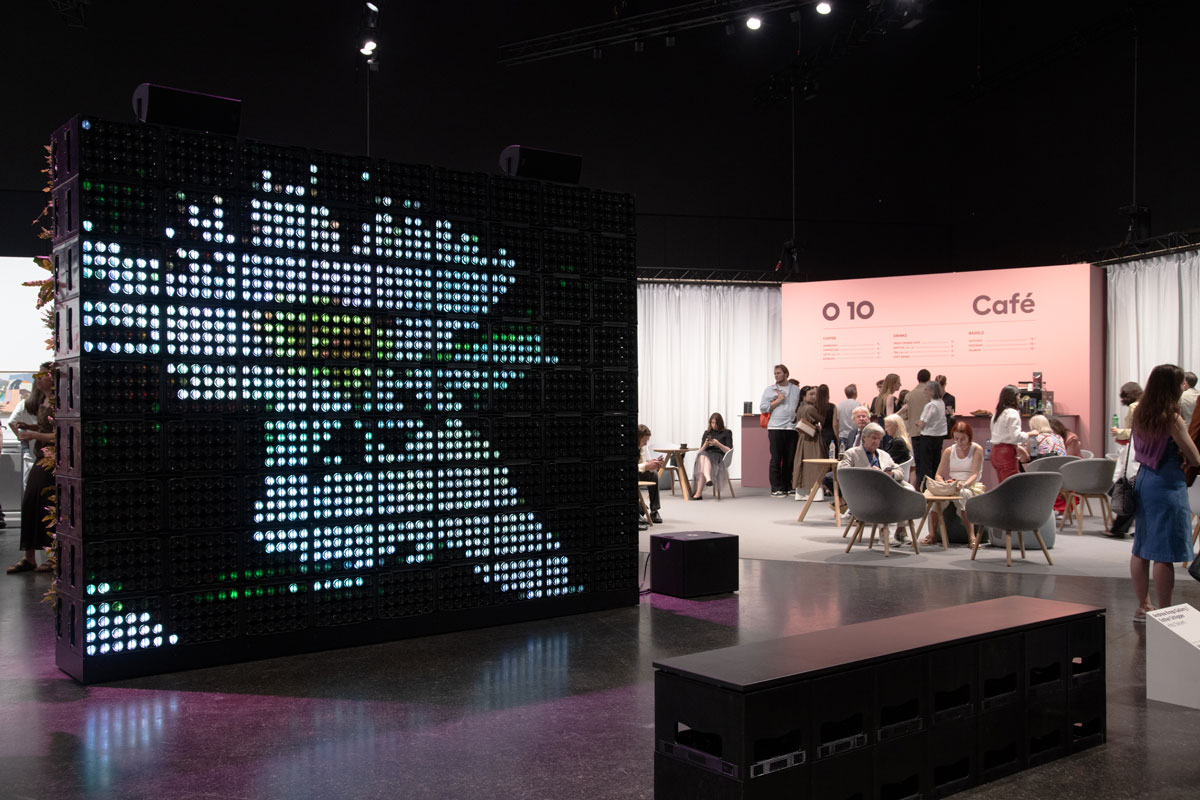
NFT Magazine is a proud media partner of Zero 10, Art Basel's global digital initiative. Now in its third edition, Zero 10 makes its debut at Art Basel’s flagship fair with an expanded, open format curated by award – winning artist Trevor Paglen and digital art strategist Eli Scheinman. Located in the Event Hall on Messeplatz, alongside Art Basel Conversations, the initiative will feature its largest presentation to date, with 20 exhibitors showcasing a compelling selection of artists at the forefront of digital artistic practices.
Zero 10 will remain freely accessible to the public during the week of Art Basel 2026 from June 17–19 (register here), with a Preview Day taking place on June 16. Over the weekend (June 20–21), access will be made available with a valid Art Basel ticket or VIP card.
Systems that abstract creators from the value of what they create are generally not good for creativity – economically or culturally.
Independent of any moral judgment, AI systems are trained on the output of millions of creators, yet the primary financial winners are rarely those creators. Parallels can be seen in the art world where some of the largest beneficiaries have not been the artists themselves but large institutions that control validation, access, and distribution.
What can these two systems learn from each other as we enter Art Basel's third edition of Zero 10?
This magazine was born during the frenzy of the early NFT boom. At the time, NFTs were not simply seen as a technology or an art form. They were a rebellion against a system.
Direct markets. Artist resale royalties. Creator-controlled distribution. A tendency to disavow galleries and auction houses as gatekeepers. These ideas defined the environment in which this magazine was created.
But like many unsuccessful rebellions, with hindsight the movement appears slightly juvenile and naive.
At NFT Magazine, as we've expanded our coverage to the broader digital art and media landscape, we have, to be honest, considered changing our name. We've watched galleries, cultural initiatives, and entire communities distance themselves from the term NFT and quietly rebrand.
But here is why we haven't.
One of our biggest concerns about NFTs and digital art in the early 2020s was a general lack of historical consciousness. We believe history – and art history in particular – matters because it is only through historical context that we can distinguish what is genuinely new from what is merely repetitive.
Art history is not a manifest destiny of progress. It is a road with both a before and an after. So we decided to keep the name as an ever-present connection to the roots from which both the present and future continue to evolve. The NFT is inseparable from the history – and perhaps the future – of creators attempting to realign authorship and value. We kept it because NFTs matter historically, regardless of whether the market succeeded or failed. The NFT is inseparable from a much longer history of creators attempting to realign authorship and value.
That history did not begin with NFTs. And it certainly does not end with them. In many ways, the questions raised by AI are the same questions returning in a different form.
NFTs asked three radical questions at once:
- Who is the author when a work is infinitely reproducible?
- Where does value live when distribution is frictionless?
- Who benefits downstream from cultural production?
The early NFT movement attempted to answer these questions through infrastructure: on-chain provenance instead of institutional validation, smart contracts instead of trust, direct markets instead of mediated ones.
What failed was not the questions. What failed was the belief that technical guarantees alone could realign power. That naivety matters because AI exposes the same mistake at a much larger scale. NFTs and AI are not successive movements. They are sequential attempts to realign value with creation under conditions of digital abundance. NFTs attempted to re-anchor value to objects: tokens, editions, contracts. AI forces us to confront value as a process: training data, creative labor, aesthetic lineage.
Where NFTs overcorrect toward ownership, AI risks overcorrecting toward abstraction – toward a world where creators disappear entirely into "the model. "The unresolved issue in both moments is value alignment: Who captures value? Who gets erased? Who decides legitimacy?
This is what makes Zero 10 at Art Basel 2026 especially valuable right now. Rather than offering another technical fix, Zero 10 creates an institutional space where these questions can be examined with historical depth – a serious public forum in which the fundamental topics of authorship, value, and power can be confronted by the broader art world.
NFTs challenged ownership. AI challenges origination. With AI, authorship becomes distributed across models trained on millions of creators. It becomes procedural, shaped by prompts, systems, constraints and datasets.
This collapses familiar distinctions including Artist vs. tool, Original vs. derivative, Influence vs. extraction. In the NFT era creators asked: "How do I get paid when my work circulates freely?" In the AI era the question becomes: "How do I remain legible as an author when my work is absorbed into systems?" That's not a branding problem. That's a civilizational one.
One of the refrains we hear constantly is that none of this is new. Artists have always borrowed. Culture has always been iterative. The difference is scale. Scale and speed both change the nature of the cultural impact.
In promoting Zero 10, Art Basel made a curatorial decision, not merely a market one. Certainly there are cynical explanations available. Some speculate that softer demand for traditional booths has created room for initiatives such as this. Maybe. When asked about Zero 10's position at Art Basel this year, Noah Horowitz, CEO, Art Basel, said: “The art market is expanding, and the audiences driving that expansion are digitally native, globally connected, and looking for platforms that speak their language." But regardless of what market conditions made this possible, I am for it.
In Miami Beach, the debut of Zero10 was lit on fire by Beeple's presentation, notably one in which he represented himself rather than appearing through a gallery. This was significant not only within digital art but within the larger art fair ecosystem. Without reopening every curatorial debate surrounding Beeple's work, what I appreciated most was what it did to the section itself. It anchored the entire multi-gallery presentation around two questions: What is this? And why is this? Rather than the more familiar art fair question: How much is this? This is not ultimately about whether Zero 10 is good or bad. It is about what kinds of questions the structure allows.
Allowing artists to present themselves also raises new questions for all of us. Basel’s edition of Zero 10 includes an institution, HEK, among the exhibitors.
As we enter this year's Zero10, we want to highlight a group of artists whose work feels particularly relevant to this moment – not because they are responding to AI, but because many of them have spent decades investigating the conditions that made AI possible.
What makes this year's Zero10 compelling is not that it presents artists responding to AI. It’s that it presents artists who have spent decades investigating the conditions that made AI possible. As Trevor Paglen, Co-curator, Zero 10, Art Basel 2026, said: "The showcase becomes an intergenerational conversation about what it means to be alive in the digital era, led by artists who were thinking seriously about these questions long before the rest of the world caught up.”
Many of the questions currently being framed as technological questions are, in fact, artistic ones. Questions of authorship, automation, value, legitimacy, visibility and control have long histories within contemporary art. The artists gathered in Zero 10 reveal that history.
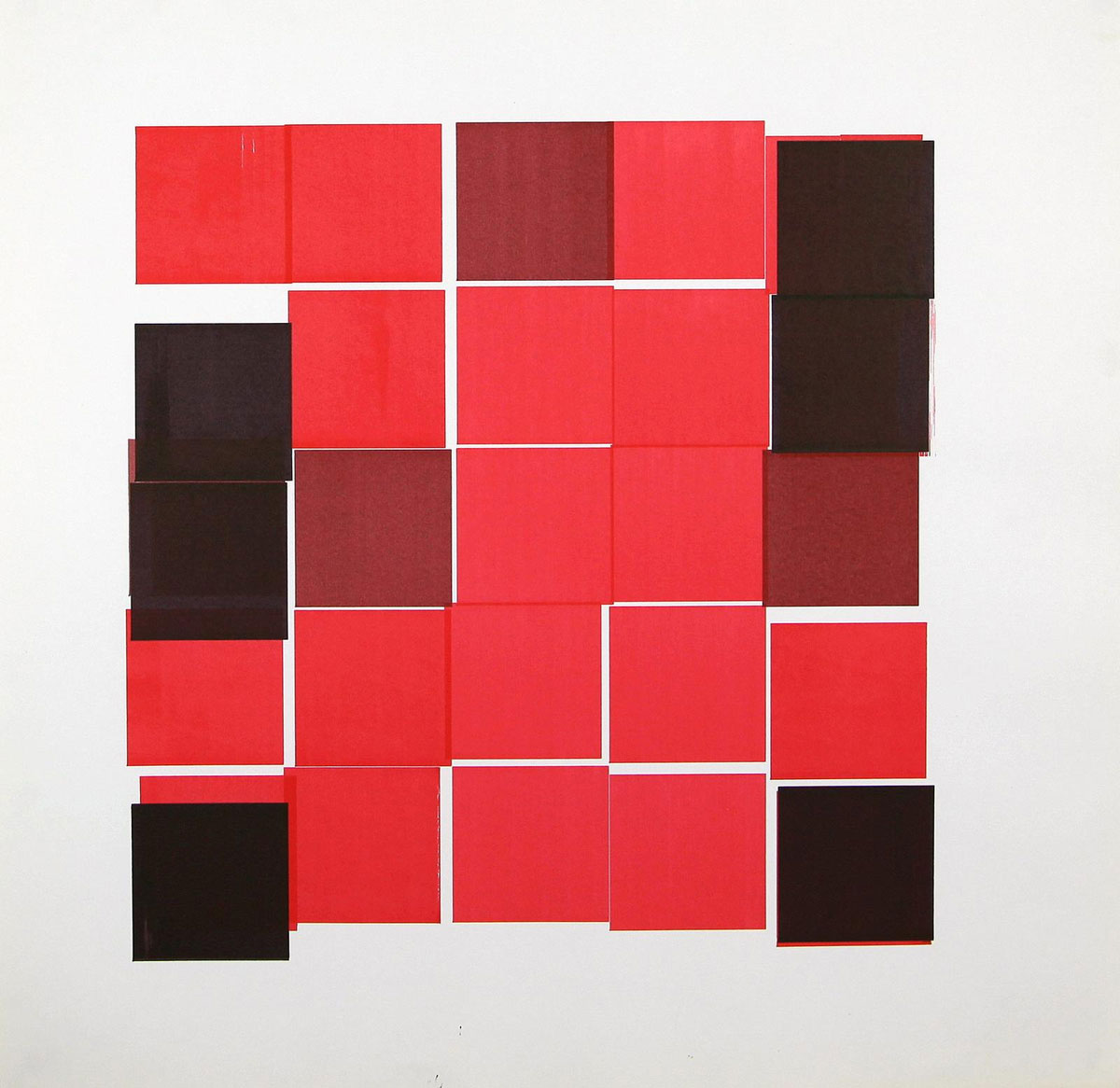
Artists such as Vera Molnár, Harold Cohen and DEAFBEEF challenge the assumption that AI-generated culture emerged suddenly.
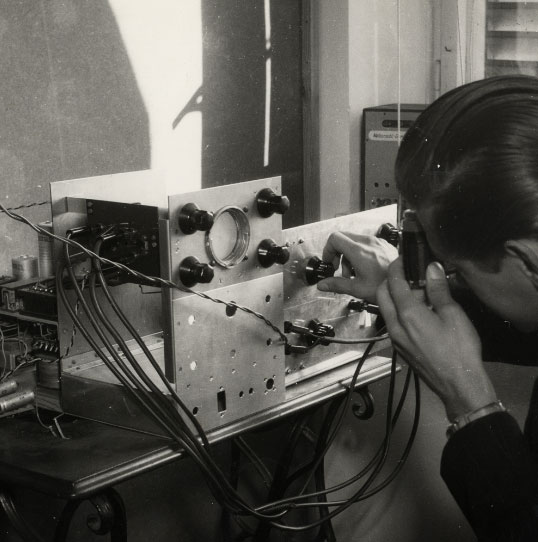
Beginning in the 1960s, Vera Molnár used algorithmic procedures and computational systems to generate visual work, treating the machine not as a replacement for artistic thought but as a collaborator within it. Harold Cohen extended this inquiry through AARON, his pioneering image-making system developed in the 1970s, spending decades exploring where artistic intent resides when a machine participates in production. DEAFBEEF continues this lineage today through generative systems in which the artist designs rules and constraints rather than individual outcomes.
Together these artists remind us that the fundamental question is not whether a machine can create. Artists have been asking that for more than half a century. The question is where authorship resides when creativity becomes procedural.
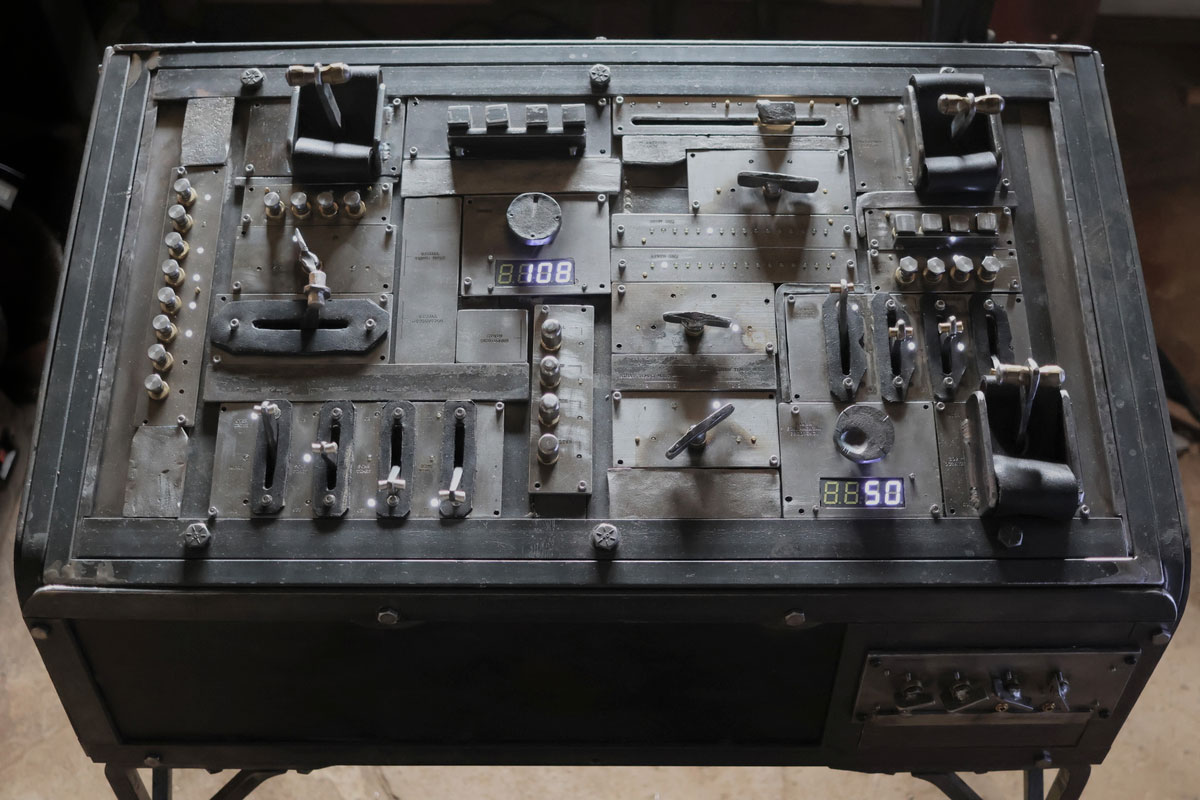
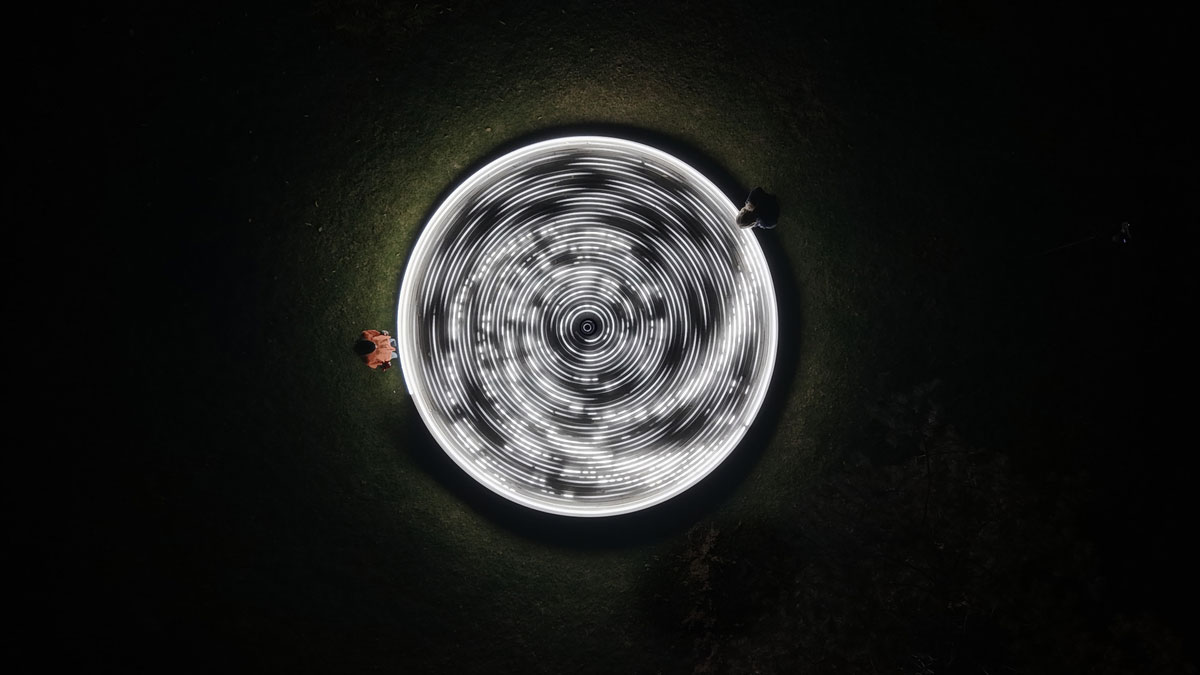
If AI is fundamentally an infrastructure, then artists such as John Gerrard, Rafael Lozano-Hemmer, Andreas Gursky and Hito Steyerl have spent years making infrastructure visible.
John Gerrard's simulations expose the physical and environmental systems that underpin contemporary life. Rafael Lozano-Hemmer transforms surveillance, participation and data collection into tangible experiences, revealing how individuals become inputs within larger technological systems. Andreas Gursky's vast photographs depict markets, factories, exchanges and networks in which the individual is often dwarfed by the scale of the system itself. Hito Steyerl has perhaps most directly examined the relationship between images, computation and power, anticipating many of today's concerns around machine vision, algorithmic governance and automated visibility.
These artists share an interest in a central question of the AI era: how do systems shape us while remaining largely invisible to us?
.jpeg)
.jpg)
Perhaps the most urgent questions raised by AI concern authorship and value. Who creates? Who contributes? Who gets recognized? Who gets paid?
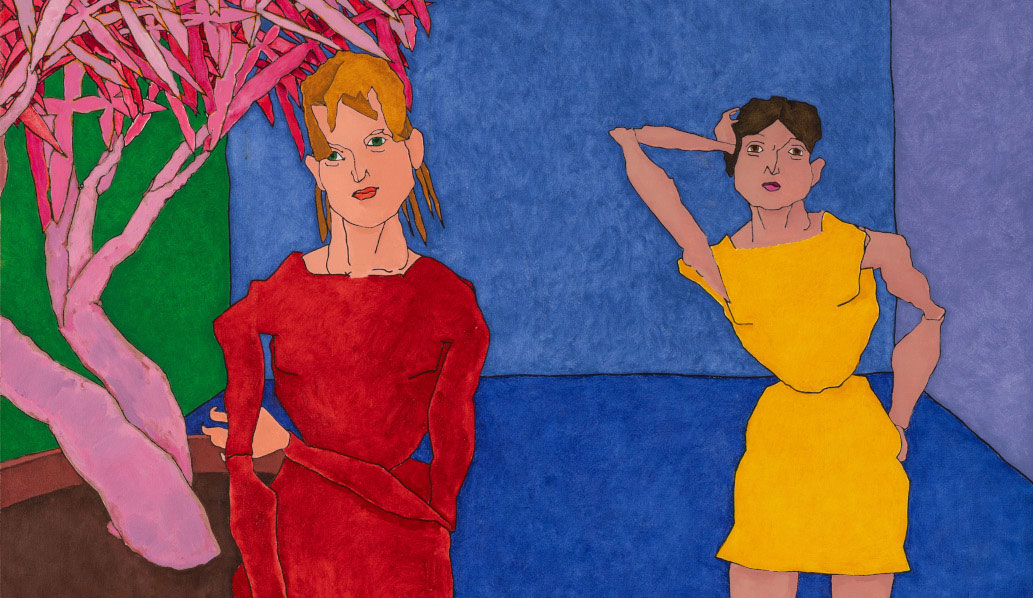
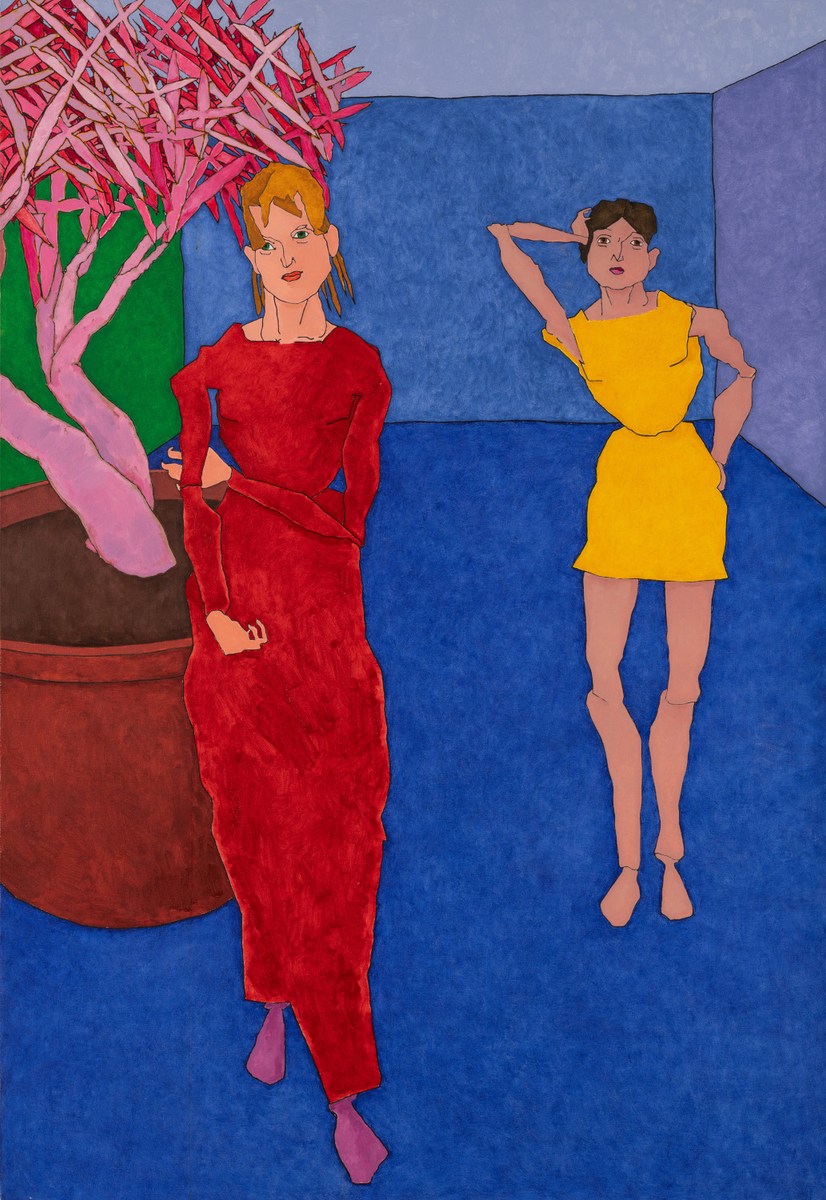
Artists such as Agnieszka Kurant, Aziza Kadyri and Avery Singer investigate these questions from different directions.
Agnieszka Kurant's work explores collective intelligence and distributed production, exposing the countless visible and invisible contributors embedded within cultural objects. Aziza Kadyri examines how cultural knowledge travels, mutates and is appropriated through technological and social systems, raising questions about origin, ownership and extraction. Avery Singer incorporates computational processes directly into her practice while maintaining a deeply personal artistic voice, demonstrating that technological mediation does not eliminate authorship so much as relocate it.
These artists challenge the fantasy of the isolated creator. They remind us that culture has always been collective. AI simply forces us to confront that reality at an unprecedented scale.
Before you set off to the Event Hall on Messeplatz, check out our Guide to Zero 10 at Art Basel for more information on the rest of the initiative.