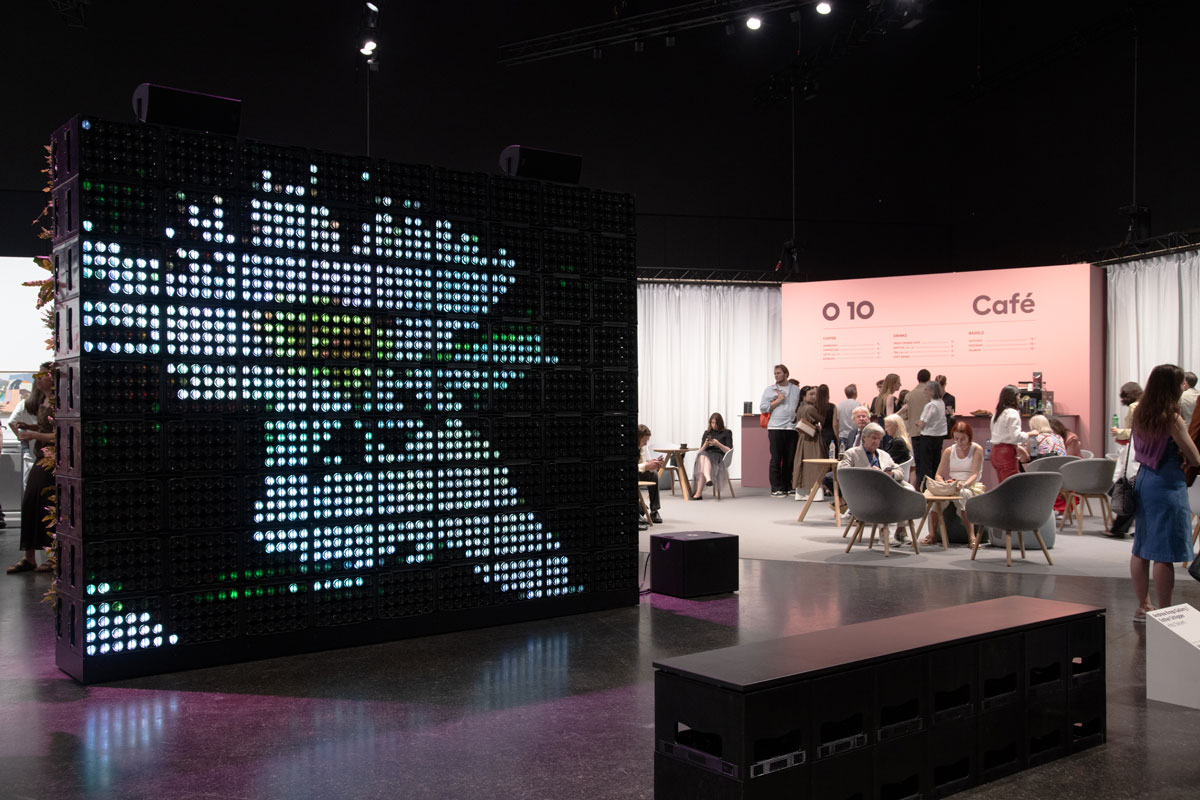
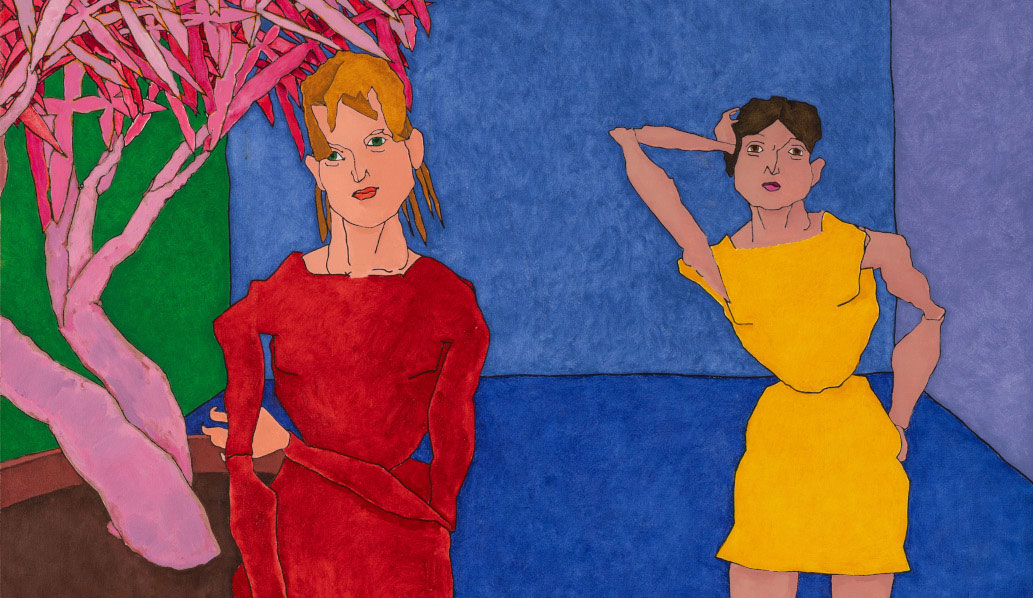
Art Basel’s Zero 10 initiative highlighted the growing appetite among collectors for digital art, with participating galleries noting strong sales to both established buyers and institutions. This momentum is backed by the latest Art Basel and UBS Art Market Report and Survey of Global Collecting, which ranks digital works as the third most collected medium among high-net-worth individuals, tracking behind only painting and sculpture. The report shows that spending patterns are shifting as well with the share of transactions involving digital, film, and video art rising from 1% to 3% by volume, while their portion of total sales value climbed from 7% to 10%. Among the 3,100 collectors surveyed, 51% reported purchasing at least one digital artwork in 2025.
In an elite setting like Art Basel, the initiative stood out for its warmth, accessibility, and genuine spirit of exchange. Gallerists, booth managers, and artists were notably open and generous with their time – eager to explain the ideas, processes, and technologies behind the works they displayed. This generosity felt characteristic of the digital art community and created a refreshing contrast to more transactional fair dynamics.
Zero 10 debuted at Art Basel Miami Beach in December 2025 as a bold, attention-grabbing introduction to the mainstream art fair audience. Curated solely by digital art strategist Eli Scheinman, the inaugural edition featured 12 exhibitors and leaned into high-visibility, pop-infused spectacle to announce its arrival. That edition’s viral standout was Beeple’s Regular Animals (2025), a kinetic installation of autonomous robotic dogs fitted with hyper-realistic human heads of tech moguls like Elon Musk, Jeff Bezos, and Mark Zuckerberg, alongside art icons Pablo Picasso, Andy Warhol, and Beeple himself. The uncanny canines roamed a pen-like area, interacted with visitors, captured photos via onboard cameras, and periodically “pooped” small printed images, providing a satirical commentary on algorithms, autonomy, and tech influence.
This Miami launch caused a splash, generated media buzz, and demonstrated that digital art could command attention and sales in the buzzy, high-energy environment of Miami Art Week. It successfully introduced the initiative with novelty, spectacle, and pop-culture crossover, helping bridge the digital-native community with traditional collectors and galleries.
By contrast, the Art Basel 2026 edition of Zero 10 shifted toward depth, context, and legitimisation. Co-curated this time by Eli Scheinman and Trevor Paglen, Zero 10 adopted the anchor theme “The Condition” which explored life in a digitally saturated world of digital imagery, computational systems, and artificial intelligence, while explicitly tracing the historical arc of digital art.
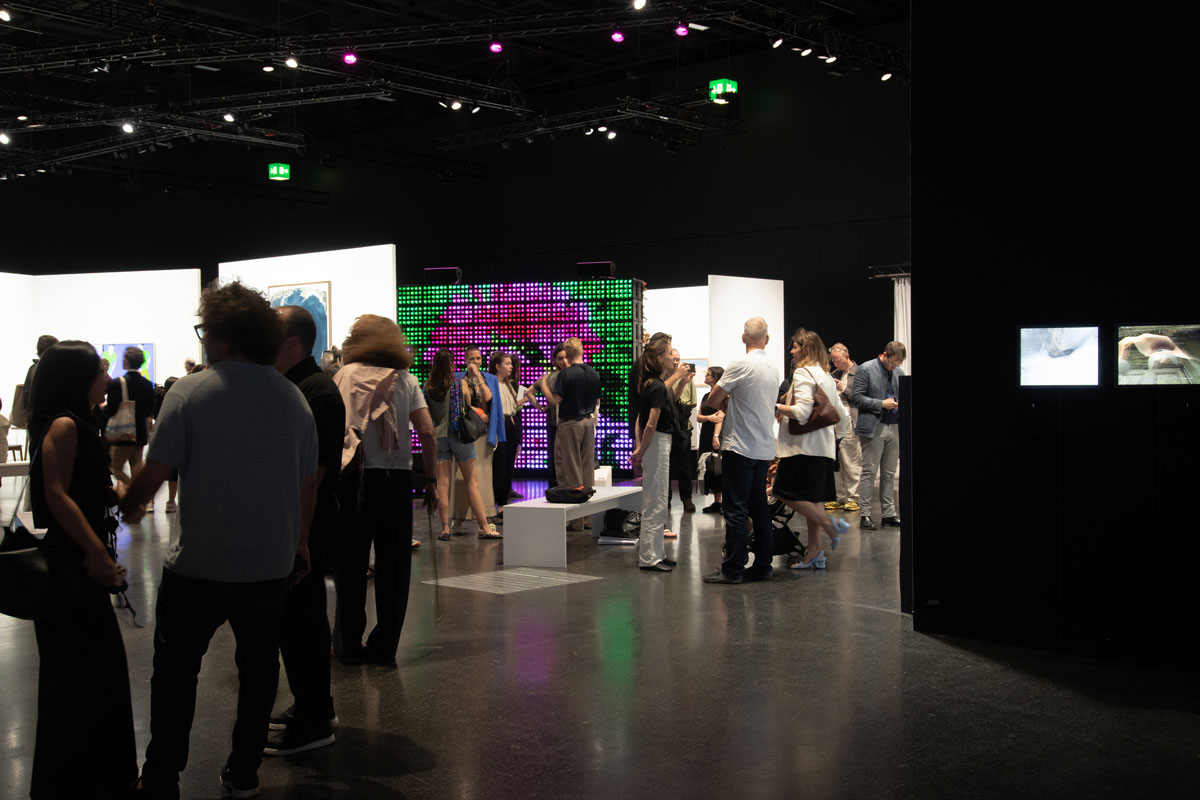
Rather than prioritising spectacle, Zero 10’s Art Basel edition emphasised intergenerational dialogue with works by pioneers from the 1950s-1970s alongside contemporary practitioners. It addressed skepticism around the medium (post-NFT fatigue, AI anxieties) by grounding it in a longer canon, showing continuity rather than rupture. The presentation felt more rigorous and contemplative, suited to Art Basel’s European flagship and its reputation for serious discourse. This evolution reflects a maturation where Miami was the dramatic entrance and Basel was the thoughtful consolidation, aiming to embed digital art more permanently within the broader contemporary art narrative.
Paglen stated that the challenge was to ‘make the digital feel native to that context rather than like a novelty annex,’ noting that Art Basel has built its reputation on ‘big names in traditional media.’ He adds: ‘My approach was to treat information as a medium with its own long history, and to build a presentation that a Basel audience would recognise as serious art, just made of different stuff.’
Queues formed outside the exhibition hall on the opening day, drawing a broader audience beyond just the crypto community that fuelled the last digital art boom. What stood out more to Paglen was the response from museum professionals and established collectors. ‘People kept saying the work was more rigorous and more varied than they expected,’ he says. ‘That was exactly what we were hoping for.’
The initiative’s highest reported sale came from Fellowship, which placed an edition of John Gerrard’s STANDARD (2022) with a major US private collection for USD 500,000. Installed at the entrance to Zero 10, the work formed part of a triptych of real-time digital simulations depicting plumes of steam, smoke, and burning gas that resemble billowing flags, exploring fossil fuel extraction, environmental degradation, and systems of power.
HEK (Haus der Elektronischen Künste; House of Electronic Arts) stood out as the first leading research institution to exhibit at Art Basel, through the Zero10. It was also the only non-commercial, purely educational presentation at the fair, breaking from the traditional gallery/dealer sales model by focusing on historical context and education rather than selling works. HEK highlighted five landmark early net art projects from its collection at Zero 10:
etoy.CORPORATION’s “hek.history.etoy.com,”
Studer/van den Berg’s “Hotel Vue des Alpes,”
JODI’s “Max Payne Cheats Only,”
!Mediengruppe Bitnik’s “Download Finished,”
UBERMORGEN’s “The Sound of eBay.”
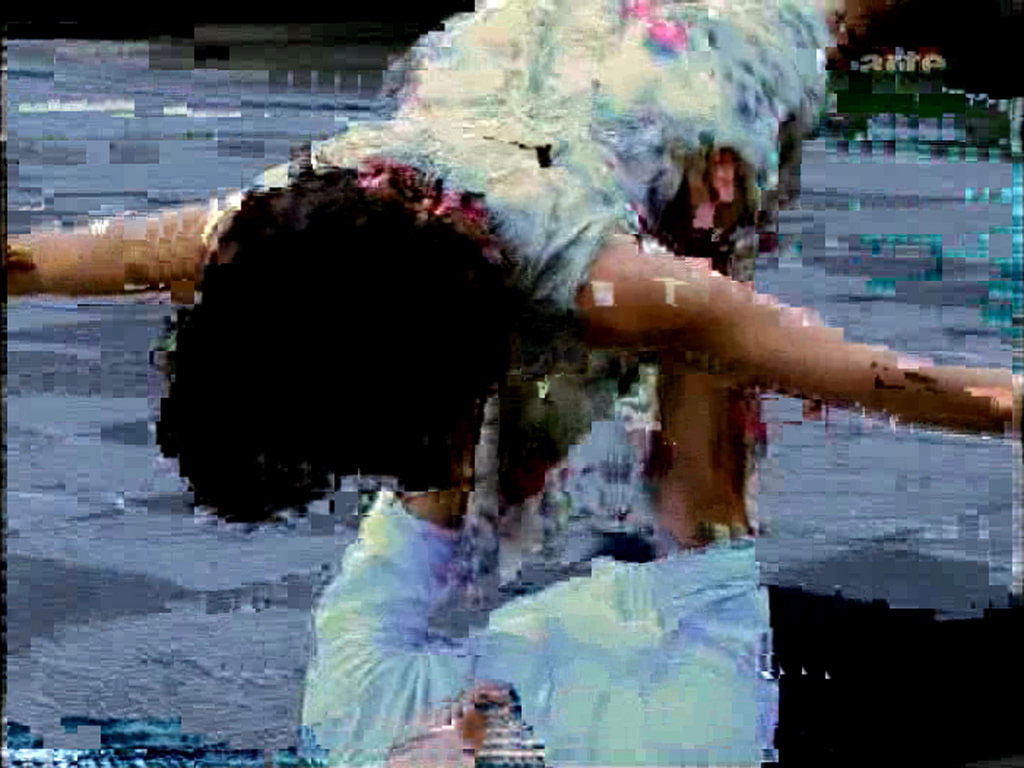
This thoughtful presence bridged the history of net art with contemporary discussions on digital ownership, blockchain, AI, and cultural heritage.
Works that were on display by artists such as Vera Molnár, Harold Cohen, and DEAFBEEF further reinforced this lineage. Since the 1960s, Molnár has used algorithmic procedures and computers as creative collaborators rather than replacements for human thought. Cohen’s pioneering AARON system (developed in the 1970s) explored where artistic intent resides when machines participate in image-making. DEAFBEEF continues this tradition today through rule-based generative systems in which the artist sets constraints rather than dictating every outcome. Together, they remind us that questions of machine creativity and authorship are not new – they have been central to digital art for more than half a century.
Interface Gallery and Oniris Gallery placed 12 works by Vera Molnár, with over 70% of their presentation sold at prices ranging from EUR 12,000 to 65,000.
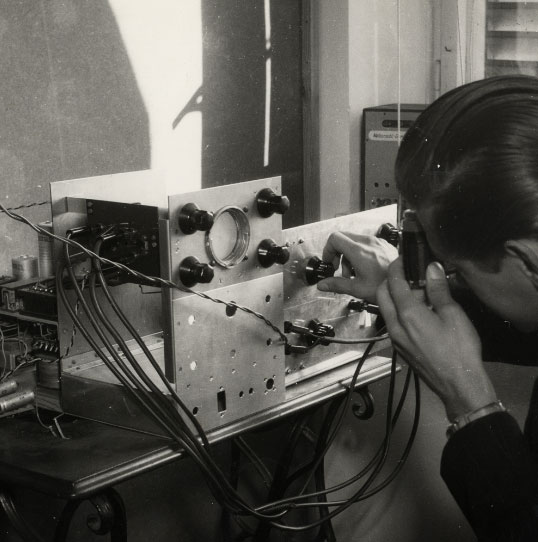
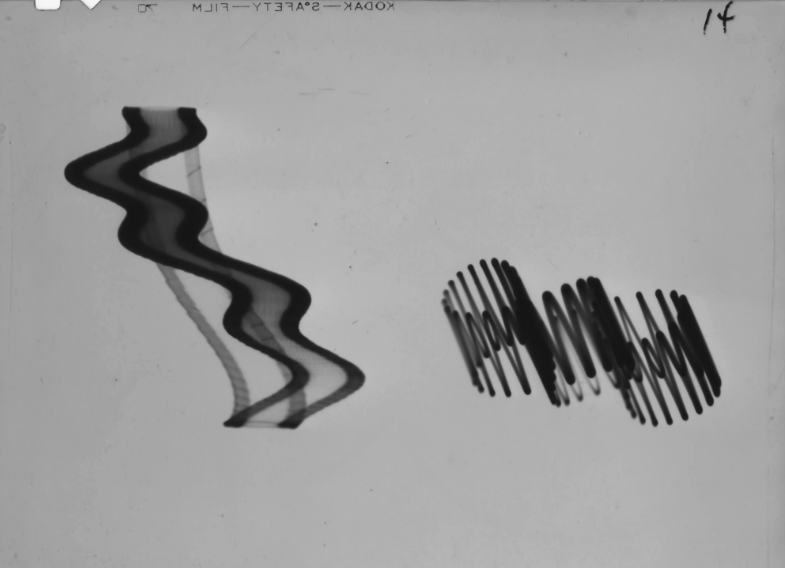
Asprey Studio achieved strong sales for 0xDEAFBEEF, including Synth Poem: Oscilloscope #3 (with an original Ben Laposky gelatin print) for USD 54,000, two further Synth Poem sculptures for USD 40,000 each, and four iron sculptures from the Hashmarks series at USD 7,500 each.
ArtMeta’s “Digital Masterpieces: From Code to Canon” offered one of Zero 10’s most comprehensive historical surveys. The presentation demonstrated that the history of digital art cannot be separated from the history of technology itself, highlighting close collaborations between artists and institutions such as Bell Laboratories, MIT, Xerox PARC, and later Google and NVIDIA.
The exhibition traced a canonical lineage from 1950s electronic experiments (Ben F. Laposky and Mary Ellen Bute’s oscilloscope works) through 1960s computer art pioneers (Frieder Nake, Kenneth C. Knowlton & Leon Harmon, Charles Csuri) and generative photography (Gottfried Jäger), to early AI image generation (Elman Mansimov’s AlignDRAW series) and blockchain-era works like Larva Labs’ CryptoPunks.
From this presentation, Charles Csuri’s Random War (1967) sold in the region of USD 80,000. David Em’s Transjovian Pipeline (1979) was placed for approximately USD 50,000. Works by Herbert W. Franke (Tanz der Elektronen, 1961–1962) and early pioneers Ben F. Laposky sold in the USD 30,000 range, while pieces by Mary Ellen Bute and Ted Nemeth from the early 1950s found buyers at USD 15,000 each.
bitforms gallery with Max Estrella recorded multiple strong results for Rafael Lozano-Hemmer. Two editions of the large-scale generative installation Black Hole (2026) each sold for USD 240,000. The unique interactive work Pulse Aglomerate (2024) sold in the USD 125,000–175,000 range to the CityX Foundation (with an agreement for donation to a major institution). Spectral Subjects (2024) found a private buyer for USD 90,000.
.jpg)
ArtBlocks reported excellent results for William Mapan: one large painting sold for EUR 80,000, five medium paintings at EUR 28,000 each, and six plotted drawings with accompanying digital works at EUR 3,000 each, all to a private collection in Europe.
eastcontemporary selling Aziza Kadyri’s A borrowed hand steadied the ground (2026) for USD 23,000.
Nguyen Wahed selling two editions of Leander Herzog’s Infinite (Botanical) Garden (2026) at USD 9,000 each, plus all 16 fully on-chain generative algorithm works from Andreas Gysin's "Meltdown" series sold out at at USD 4,500 each.
OFFICE IMPART and Upstream achieved a complete sell-out of Jan Robert Leegte’s 2026 Orbits series (edition of 200) at 0.25 ETH each, alongside strong sales of the Sightings series in the USD 2,000–6,000 range.