Zero 10 is coming to Basel with its biggest and boldest presentation yet. Noah Horowitz, CEO of Art Basel, put it this way: “Zero 10 in Basel is our most ambitious answer yet – a clear signal that digital art isn’t just something we’re watching, it’s a direction we’re leading.”
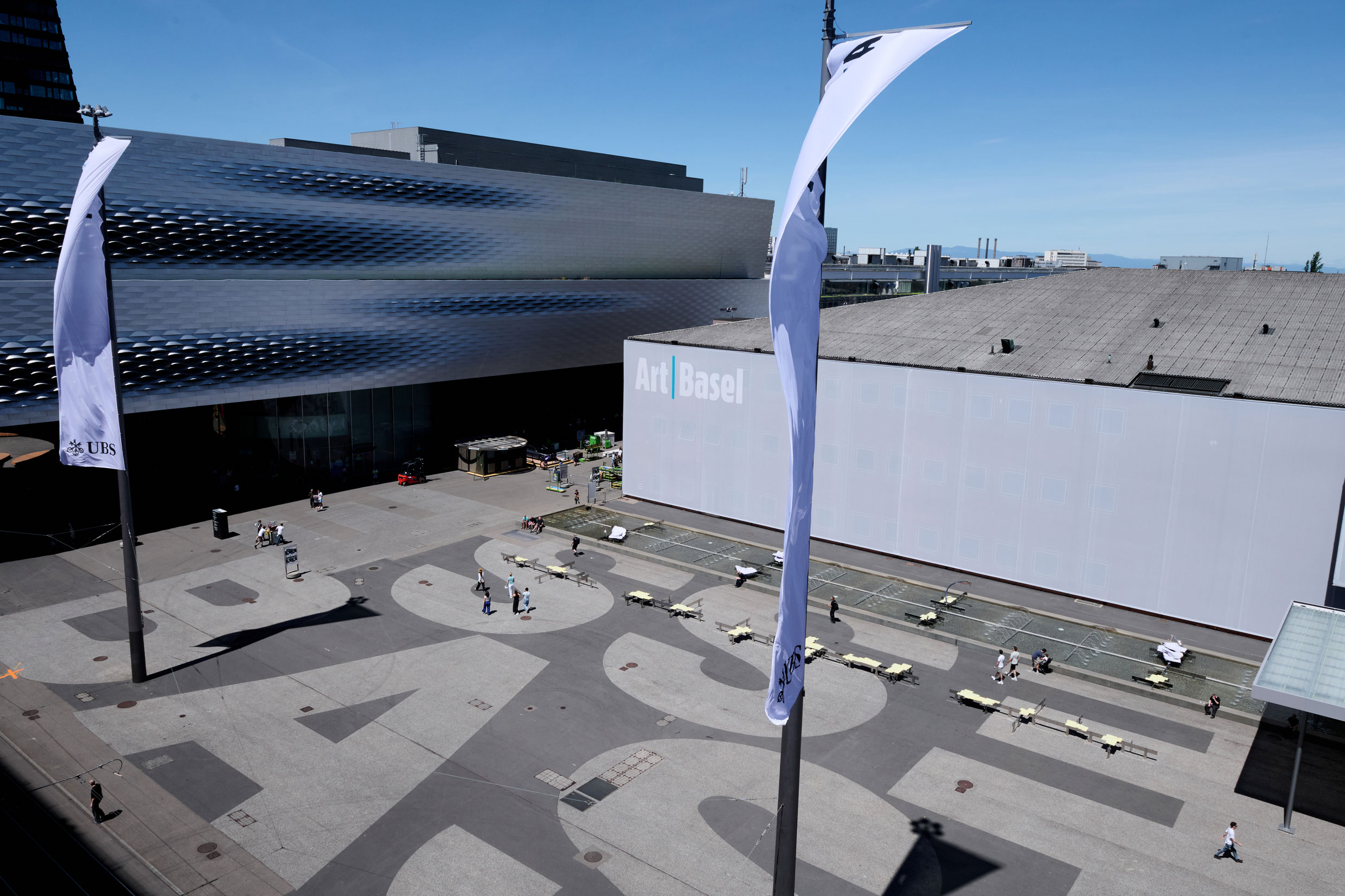
Art Basel’s digital art initiative, Zero 10, is making its European debut at the flagship fair in Switzerland this June. Now in its third edition, it’s moving into the Event Hall on Messeplatz (right next to the Conversations program) with its biggest presentation yet: 20 exhibitors showing work at the cutting edge of digital, generative, and media art. This year’s edition is curated by artist Trevor Paglen (MacArthur Fellow and 2026 LG Guggenheim Award winner) together with digital art strategist Eli Scheinman. The curation is anchored by the theme “The Condition” – looking at what it means to live in a world flooded with digital images, algorithms, and AI. It mixes historical voices with today’s most exciting practices, creating an intergenerational conversation about art and technology.
Trevor Paglen explained: “Looking across the last 50 years of instruction-based and computational work, I see a continuous thread – artists who understood the digital as a medium with its own properties and possibilities long before the rest of the world caught up.”
The lineup mixes long-standing Art Basel galleries with digital-native platforms and, for the first time, a major research institution.
Long-standing Art Basel galleries:
Hauser & Wirth, Marian Goodman Gallery, Andrew Kreps Gallery, Max Estrella, Almine Rech, Esther Schipper, and Sprüth Magers.
Galleries and platforms with dedicated digital art programs:
ArtMeta, Art Blocks, Asprey Studio (Kent), bitforms gallery (New York), eastcontemporary (Milan), Fellowship (London, Marrakech, Porto Cervo, Los Angeles), Gazelli Art House (London), Interface Gallery (Breda), OFFICE IMPART (Berlin), Galerie Oniris (Rennes), Upstream Gallery (Amsterdam), and Nguyen Wahed (New York, London).
And making its first appearance:
HEK (Haus der Elektronischen Künste / House of Electronic Arts) in Basel. Together they’re presenting 16 single booths and 4 shared booths, moving well beyond the traditional fair format with historical context, new technologies, and experiential work.
The highlights not to be missed:
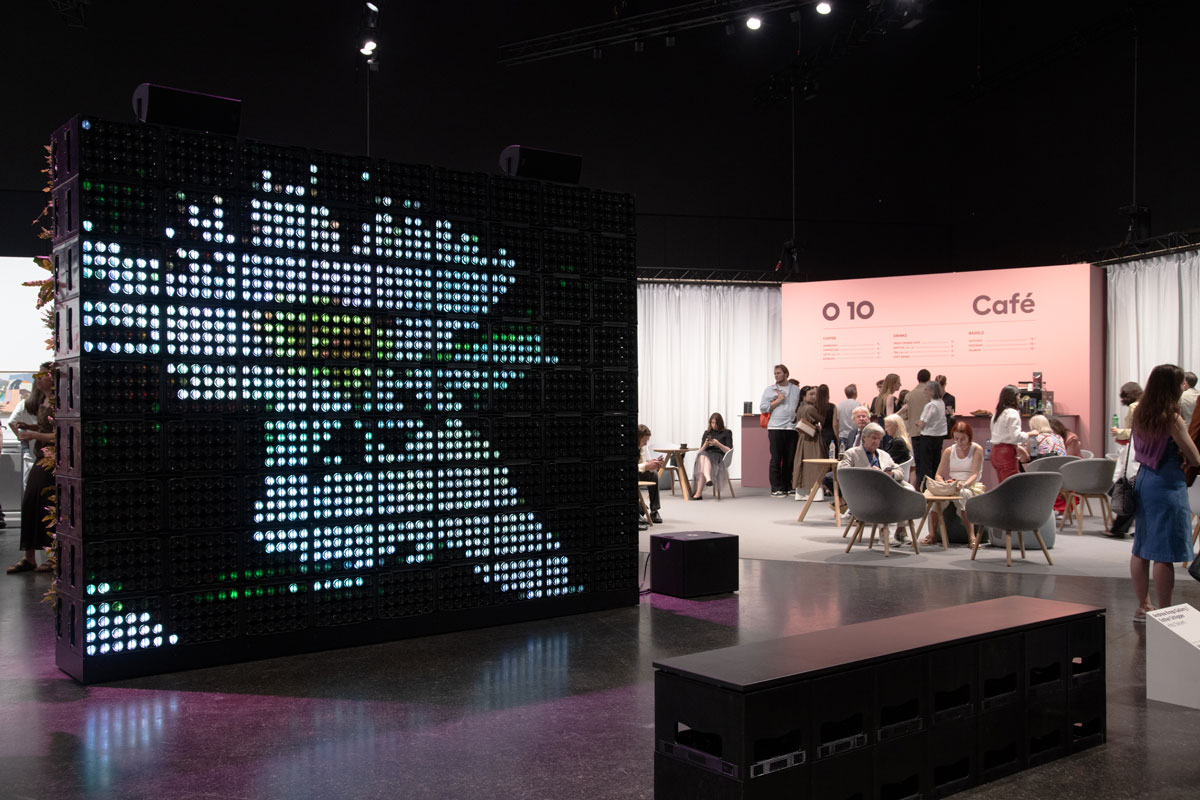
Hito Steyerl’s "Green Screen" (2023) presented by Esther Schipper & Andrew Kreps – a large-scale installation with an experimental LED wall made from recycled glass bottles, living plants, and AI-generated imagery. Bioelectrical signals from the plants actually shape the sound and animations.
Avery Singer’s “Shit Coin Maxi” (2025) presented by Hauser & Wirth – a layered digital image exploring crypto culture, gambling, and finance through her signature painterly-digital style.
Andreas Gursky’s “Ocean V” (2010) presented by Sprüth Magers – a vast composite oceanscape made from satellite imagery taken 35,000 km above Earth.
Vera Molnar's “When Algorithms Draw: The Vision of Vera Molnar” (2026) presented by Oniris.art and Interface Gallery. As one of the first academically trained to embrace algorithmic image -making, Molnar's presentation will highlight the central role of coding in her practice, highlighting how algorithmic
thinking can become a powerful vehicle for artistic expression.
HEK (Haus der Elektronischen Künste; House of Electronic Arts) will present a non-selling exhibition that puts net art from the 1990s–early 2000s in historical context, with a strong focus on education and the evolution of web-based practices.
DEAFBEEF’s “Matter and Signal” (2026) presented by Asprey Studio – featuring the interactive “Glitchbox” sculpture that records participant inputs on-chain, blending blacksmithing, audio, and code.
Aziza Kadyri’s “A Borrowed Hand” (2026) presented by eastcontemporary – explores the intersection of cultural memory and artificial intelligence. Across three free-standing textile and metal installations, Kadyri draws on suzani embroidery traditions from Central Asia and uses a custom-trained AI model to reinterpret inherited patterns, examining authorship, translation, and the preservation of collective memory in the digital age. Aziza Kadyri has been nominated as an Art Basel Awards Medalist 2026 in the Emerging Artist category.
Ryoji Ikeda’s “data.gram” (2022) presented by Almine Rech – Japan's leading composer and visual artist reimagines his monumental data-verse installations as a series of wall-mounted computer displays translating scientific data into immersive audiovisual compositions that merge
mathematical precision with sensory experience.
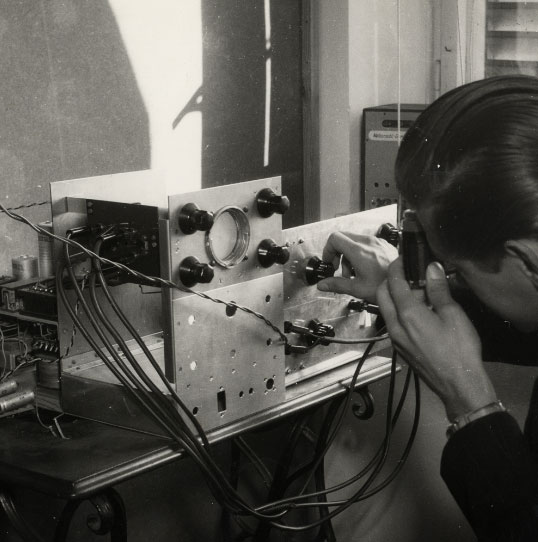
Agnieszka Kurant’s “Alien Internet II” (2023/2026) and “Unthoughtforms” (2026) presented by Marian Goodman Gallery – works exploring non-human forms of intelligence using animal behaviour data and cybernetic systems, and Gordon Pask’s experimental 'chemical computers.
Leander Herzog’s “Infinite Garden” (2025) and Andreas Gysin’s “Meltdown” (2023–26) presented by Nguyen Wahed – Herzog’s evolving blockchain-based ecosystem transforms collectors into active participants, assembling and sharing ever -changing digital flora, while Gysin’s work turns programming code into a shifting visual language in which the mechanics of computation remain fully exposed.
John Gerrard’s triptych "STANDARD" (2023), "Flare (Oceania)" (2022), and "Western Flag (Spindletop, Texas)" (2017), presented by Fellowship – depict three real-time simulations examining environmental crisis, fossil fuel extraction, and systems of power. Generated live through custom software, Gerrard’s digital sculptures exist in perpetual, unrepeatable motion, transforming wind, smoke, fire, and light int o contemplative meditations on climate, energy, and technological perception.
Rafael Lozano-Hemmer showcases a new series titled "Panoptic Chiasma" (2026), jointly presented by Max Estrella and bitforms gallery – featuring interactive installations examining how perception is increasingly mediated by computation, AI, and surveillance technologies through works that respond to viewers’ facial features, heartbeats, thermal signatures, and movements in real time.
Conversations & programming
Beyond the booths, there’s also a series of Conversations and programs offering opportunities for collectors to engage with digital narratives at every entry level. Here are the three dedicated panels within the fair’s Conversations program, curated by Trevor Paglen and Eli Scheinman:
Wednesday, June 17 — “How’re You Supposed to Pay the Rent These Days?” with Auriea Harvey, Rafael Lozano-Hemmer, and Tyler de Will (OxDEAFBEEF)
Thursday, June 18 — “Barbarians at the Gates! Let Them In! (?)” with Erick Calderon (Snowfro), Natasha Degen, and Tina Rivers Ryan
Friday, June 19 — “Art Without Artists, Texts Without Authors, Goddamn Algorithms Everywhere” with Aris Dean, Josh Kline, and Hari Kunzru
NFT Magazine is a proud media partner of Zero 10, Art Basel's global digital initiative. Free public access to Zero 10 is available from June 17–19 with advance registration.