.jpeg)
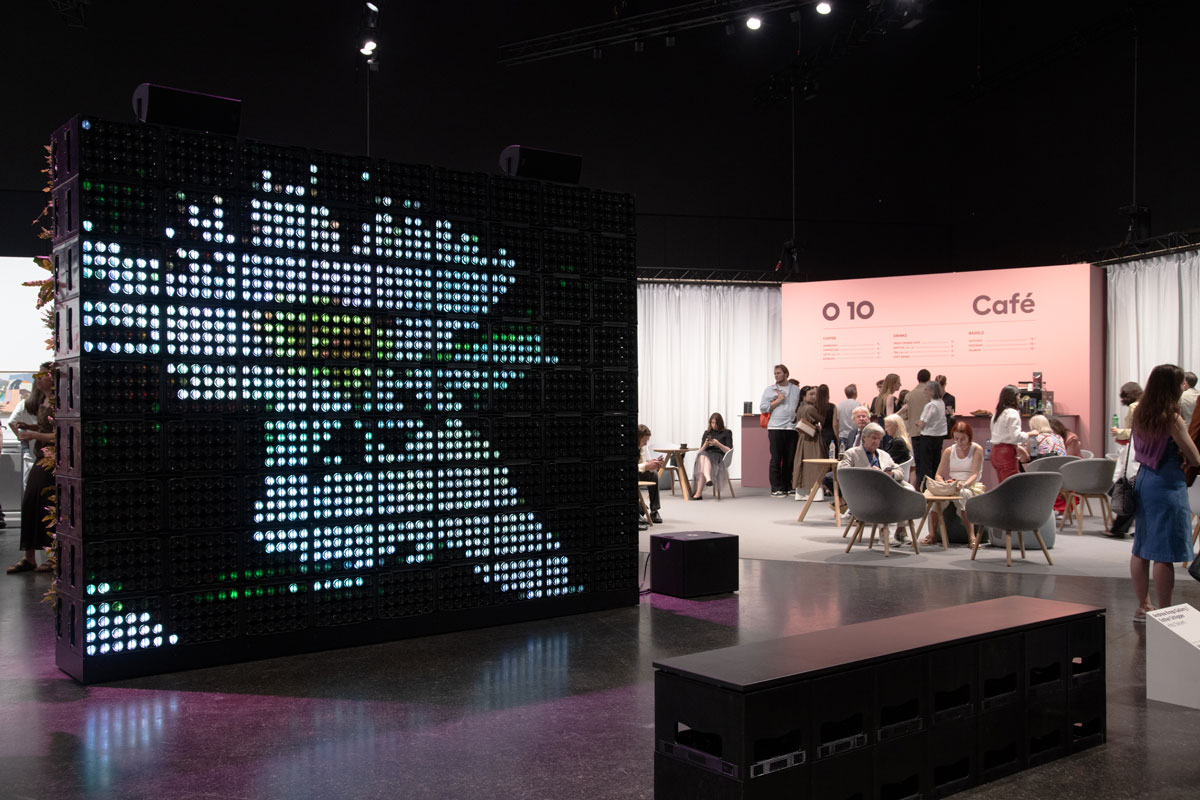
HEK (Haus der Elektronischen Künste; House of Electronic Arts) is the first leading research institution to exhibit at Art Basel, through the Zero10 initiative. It is also the only non-commercial, purely educational presentation at the fair, breaking from the traditional gallery/dealer sales model by focusing on historical context and education rather than selling works.
HEK is Switzerland’s leading institution dedicated to digital culture and the art forms of the Information Age. It operates as a dynamic interdisciplinary hub, acting as a lively turntable for exhibitions, performances, concerts, festivals, educational programs, and hybrid online projects. HEK’s collection of born-digital art focuses on software and network-based works, many created by Swiss artists since the 1990s. The collection consists of pieces that often have no physical form and present complex conservation challenges. More than a traditional museum, it develops innovative preservation strategies through collaborations with programmers and conservators, establishing itself as an integral research institution for new media art and a respected voice in international discourse on digital heritage.
Through these activities, HEK offers the public deep insight into the aesthetic, socio-political, and economic dimensions of media technologies, while encouraging active engagement with the urgent cultural questions of our time.
HEK’s pioneering role as a preserver of digital culture, and its thoughtful presence at Zero10, bridges the important history of net art with today’s conversations around digital ownership, value and authority in a blockchain and AI era.
Five Landmark Early Net Art Works at Zero10
At Zero10, HEK is historically contextualising net art by spotlighting five landmark projects from its collection, created from the 1990s to early 2000s.
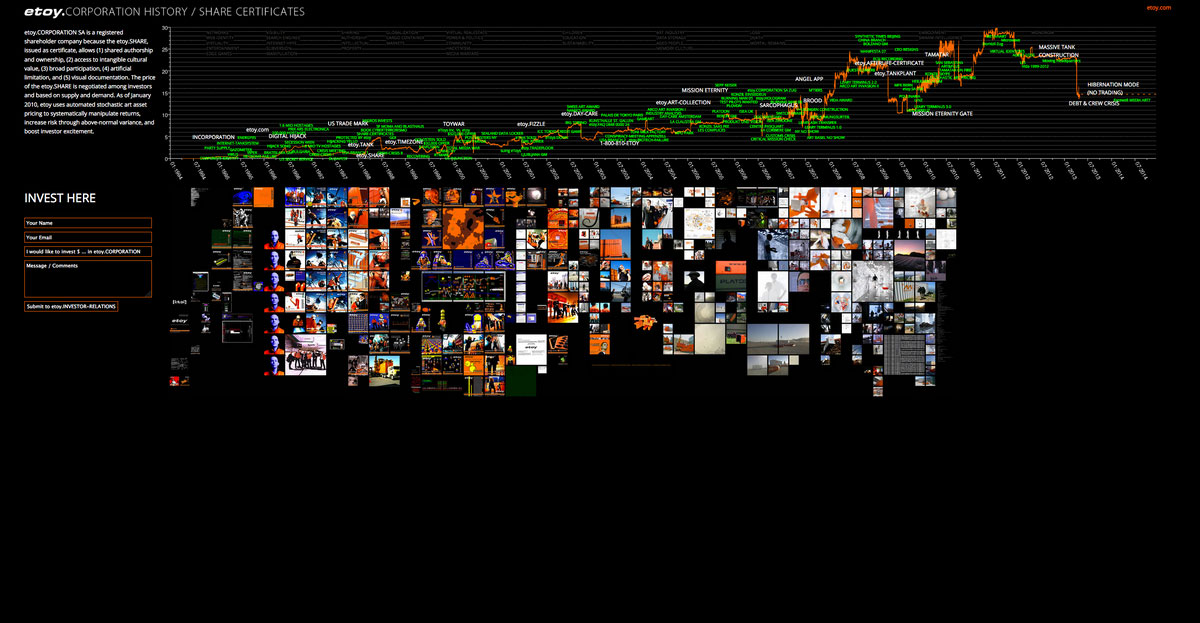
etoy.CORPORATION has operated since 1994 as a self-described “corporate sculpture,” blending multimedia performances, economic experiments, network cultures, and digital infrastructure into one ongoing artistic entity. Their contribution, “hek.history.etoy.com” (1994–2016), serves as a comprehensive digital archive of the group’s projects and performances. It doubles as a living reflection of the etoy.SHARE value history, turning the collective’s own trajectory into a networked artwork.
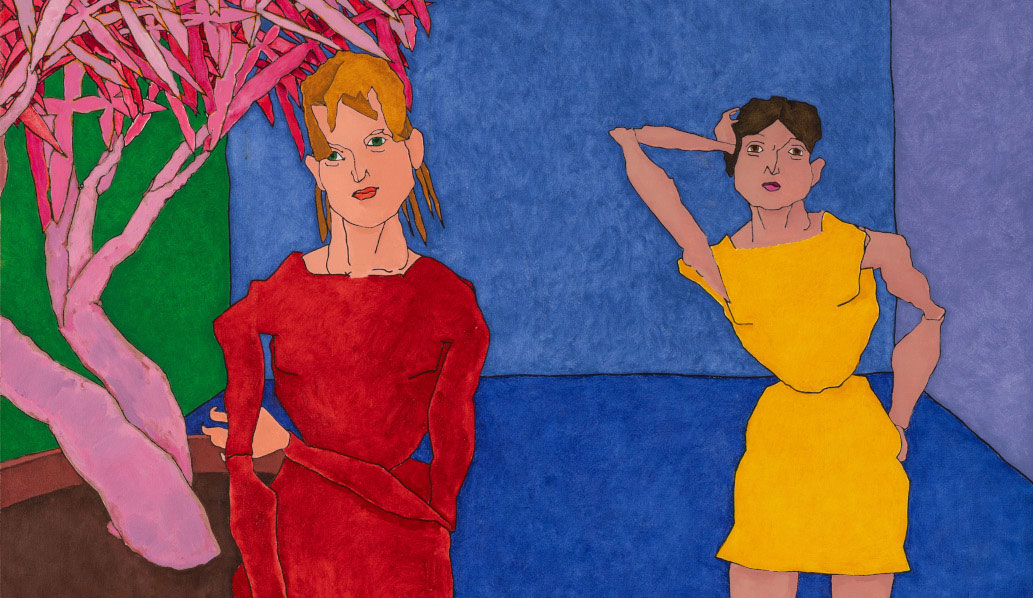
Swiss duo Studer / van den Berg, recognised pioneers in digital and virtual art, explore perception, simulation, and constructed realities in their work. Their web-based piece “Hotel Vue des Alpes” invites viewers into a computer-generated alpine landscape. By presenting a meticulously simulated environment, the work probes how technology alters our sense of place and challenges notions of authenticity in an increasingly virtual world.
.jpg)
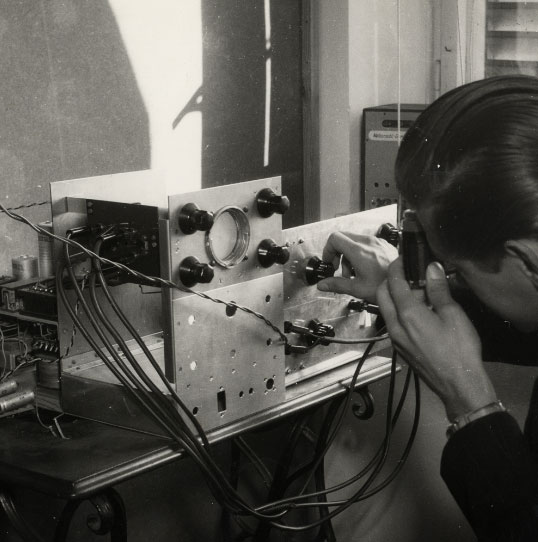
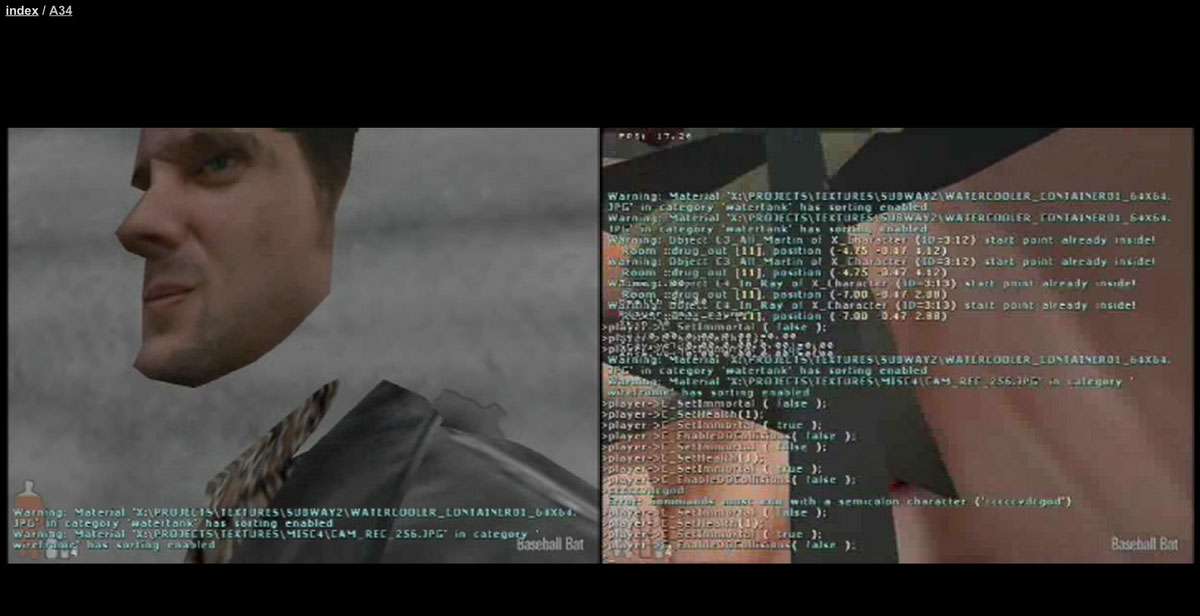
The Dutch artist duo JODI (Joan Heemskerk and Dirk Paesmans) are legendary for their radical, glitch-infused deconstructions of the internet’s visual language. In “Max Payne Cheats Only” (2004), they appropriate the then-cutting-edge video game Max Payne (parts 1 and 2) and strip it to its bones: a chaotic two-channel video composed entirely of cheat codes and visual glitches. What was once a hyper-realistic narrative shooter becomes an abstract, disorienting meditation on the underlying code and logic that powers digital entertainment.
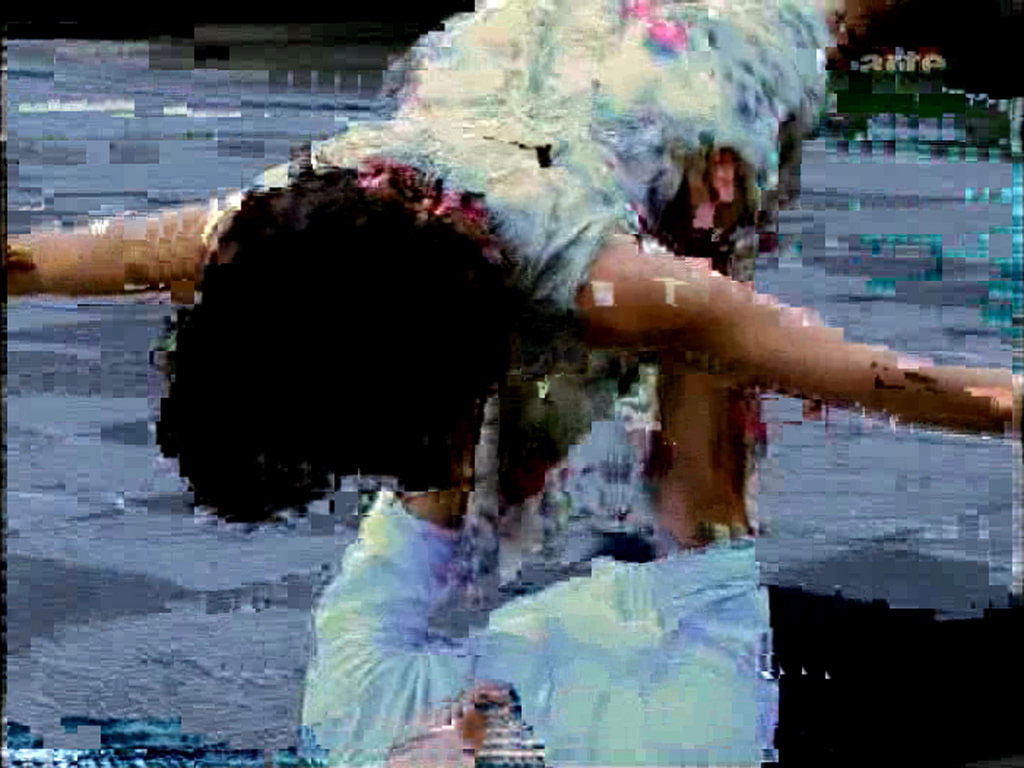
!Mediengruppe Bitnik (Carmen Weisskopf and Doma Smoljo) are known for turning digital systems, networks, and algorithms into both medium and subject matter. Their 2006 project “Download Finished” traces a single data packet’s journey across global P2P networks. Compression errors and digital artifacts emerge as new aesthetic forms, making visible the otherwise invisible materiality of the internet while highlighting surveillance and infrastructure themes that remain urgent today.
Finally, the Austrian-Swiss trio UBERMORGEN (active since 1995) has long blended media activism, programming, and hacking in their work. The Sound of eBay (2008/2009) is a website that sonifies eBay user data into MP3 tracks, presented in the retro aesthetic of teletext sex ads. Part of a seminal trilogy examining the era’s e-commerce giants (Google, Amazon, and eBay), the work transforms mundane online transactions into strangely hypnotic, culturally pointed sound pieces.
.jpg)
NFT Magazine is a proud media partner of Zero 10, Art Basel's global digital initiative. Free public access to Zero 10 is available from June 17–19 with advance registration.