Ella Fleck is a London-based artist and writer whose practice examines the commercial mechanisms, digital personas, and architectural structures that shape contemporary human desire. Her work translates field research into multi-sensory installations, bridging text-based online interactions with physical environments composed of sound, scent, and industrial hardware.
Fleck’s artistic process relies on direct immersion within hidden or specialised online communities. To observe interactions that are otherwise difficult to access, she adopts fictional online alter-egos.
In October 2026, gallery Ehrlich Steinberg presented Fleck’s Training Material in the Focus section of Frieze London. The exhibition translated the text, data, and emotional labor of OnlyFans messaging agencies into a physical spatial installation.
To research her project, Fleck went undercover for six weeks posing as a young English man named Elliot. During this time, she trained with a company that is paid to ghostwrite text messages for OnlyFans creators when they chat with subscribers.
During her training, Fleck completed unpaid trial days, group exercises, and shadow shifts with experienced workers. She learned how to mimic the creators' personalities, understand subscriber behavior, and use sales tactics that keep users spending money. As everything happened over text, Fleck built her fake identity purely through her choice of words, exemplifying how easily digital personas can be manufactured through scripted language alone.
Fleck's research looks at how intimacy is turned into a business. She examines how personal, private conversations are actually manufactured using corporate instructions and massive digital networks.
The agency model relies on workers known as "chatters" who operate behind creator accounts. Chatters memorise personal details, imitate writing styles, and deploy calculated sales tactics to sustain the impression of a direct, spontaneous connection with subscribers.
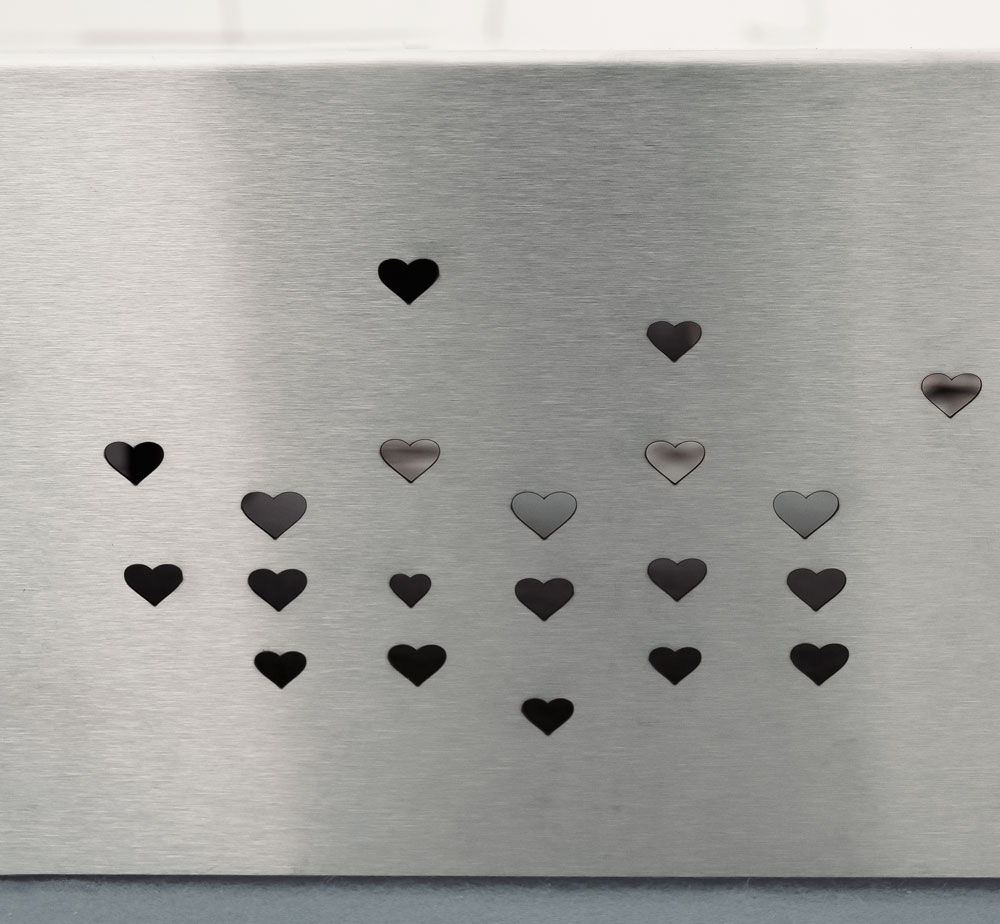
Fleck’s account highlights the gender dynamics embedded in this labor structure. Within the agency she joined, male chatters were trained to write from a female perspective, adapting their tone to meet the expectations and emotional insecurities of male subscribers. Training Material investigates the levels of deception involved in platform-mediated relationships, focusing on emotional labour and strategies used to keep subscribers endlessly spending while hoping to meet the creator.
Fleck compares digital communication networks to physical places, showing how cities and online spaces are built in the exact same way. Growing up in London, she noticed that the city's street grid traps and separates people into tiny compartments, just like apps and online platforms do.
She also compares the internet to butterfly houses. Even though butterfly houses contain live insects, they are completely artificial cages made of glass, plastic, and metal. Fleck believes both online chatrooms and butterfly houses are synthetic environments designed to cage our natural desire for freedom. To bring this idea to life in her exhibitions, she uses scents that mimic insect pheromones which subtly make visitors feel powerful or submissive.
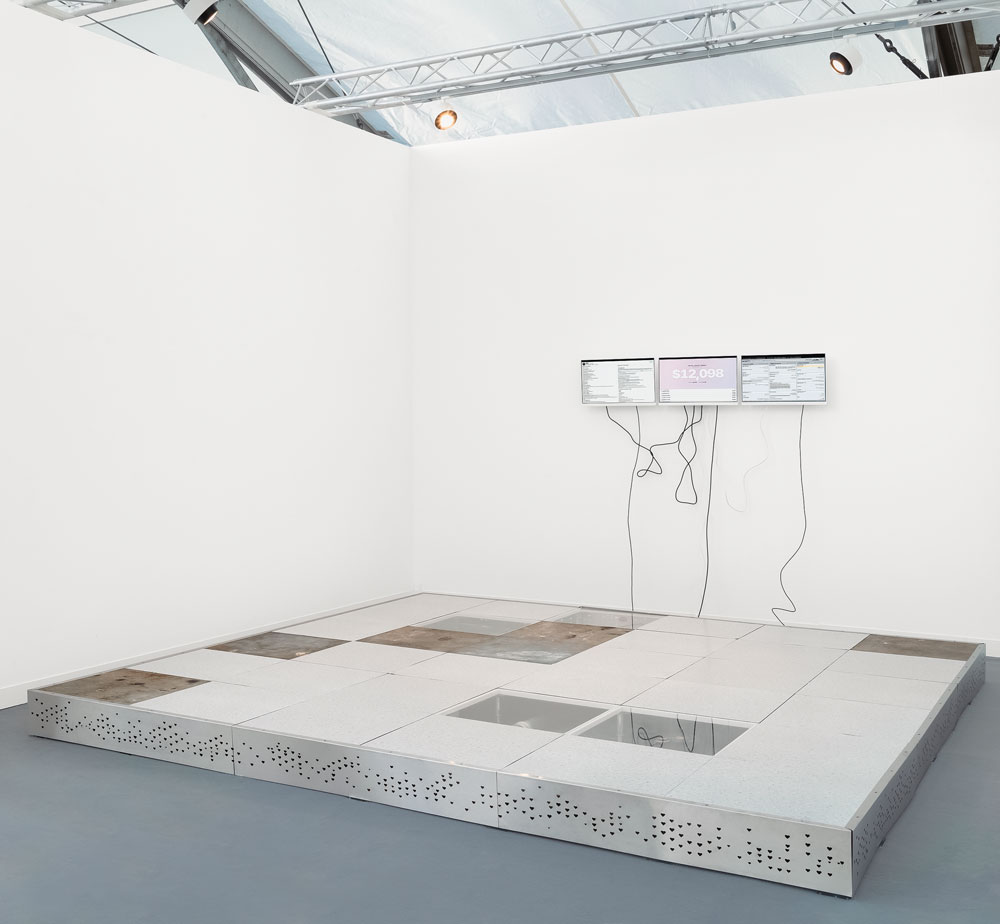
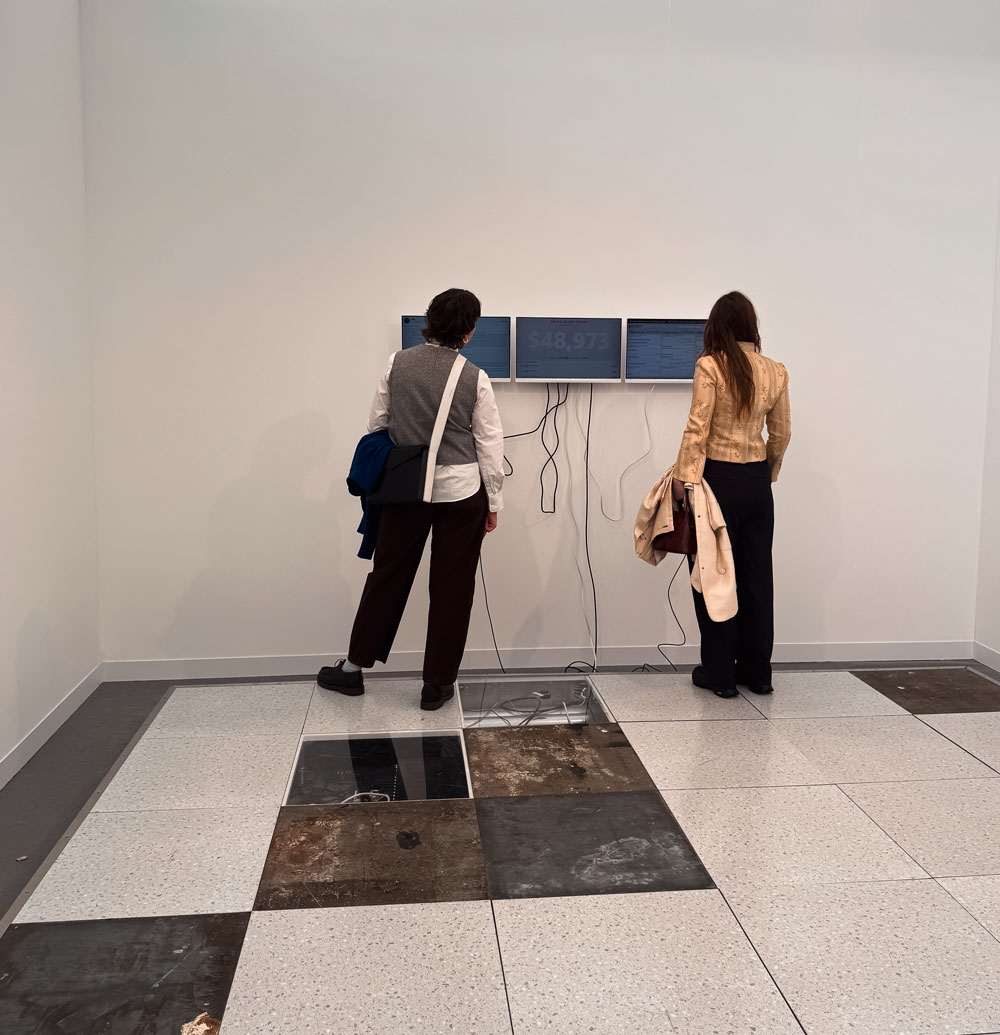
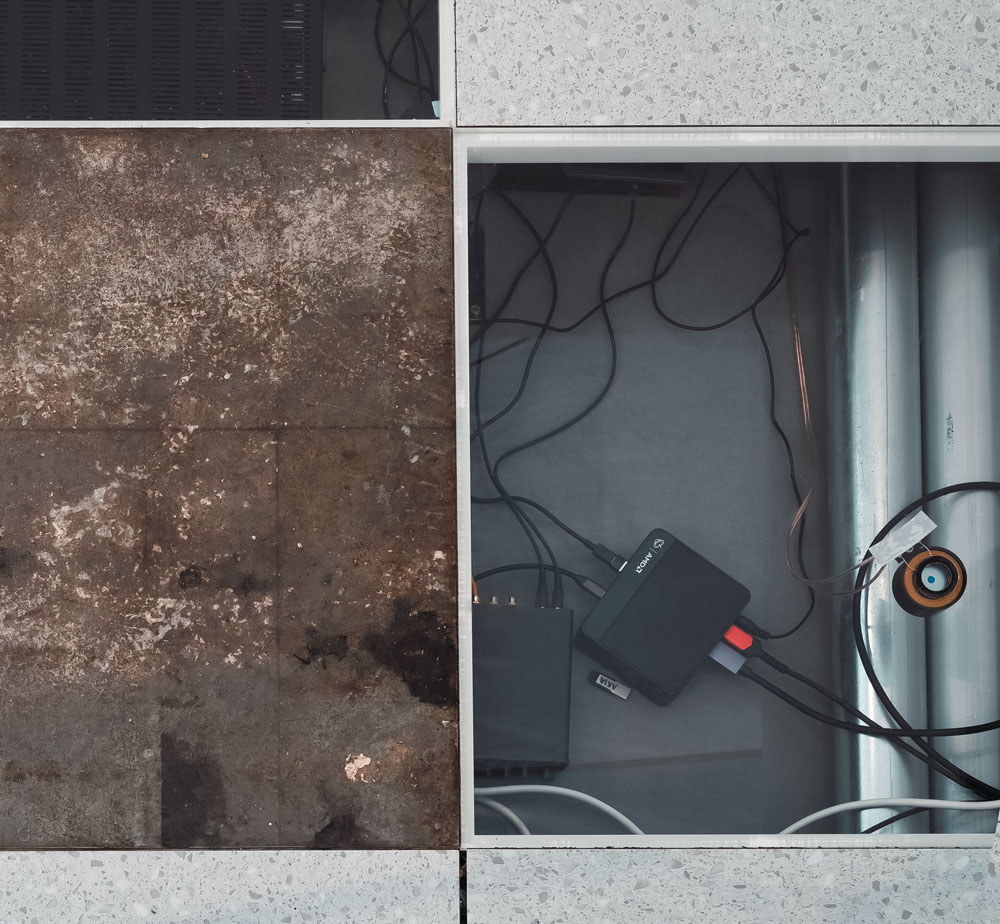
The installation at Frieze featured a raised walkway built from repurposed data-center floor panels. Hidden sub-floor speakers blasted recordings of male voices reciting agency scripts, sending physical vibrations straight through visitors' feet. Through transparent sections of the floor, guests could look down to see the raw wiring, hardware, and audio equipment powering the exhibit. Fleck also pumped a custom scent into the room, blending tactile vibrations, ambient sound, and smell to create an eerie, unseen presence in the empty space.
Across three monitors, a custom-coded program stages an imagined manager’s view of the chatter operations, adapted from the interfaces Fleck encountered during her research and training. Concurrent inboxes show three chatters working on “Aria’s page”, while an accumulating sales total and shifting leaderboard register their performance. A central rap sheet outlines Aria’s personality details to ensure her character stays consistent. This document lists everything from her personal preferences to her favorite greetings. Crucially, Aria herself is never shown in a photo or video; her entire identity is created purely through text and sales numbers.
The Frieze London presentation won the 2026 Camden Art Centre Emerging Artist Award, granting Fleck a future solo exhibition at the Camden Art Centre.